Science and Spirit Writing: Studies, Research, and Evidence
Reconnect with the One You Love
Receive an authentic, comforting channeled letter from your loved one. Our team of experienced mediums is ready to guide you on this spiritual journey.
Request My Channeled LetterSpirit Writing Under the Scientific Lens
Spirit writing has been the subject of scientific curiosity for more than a century. Although controversial, this practice has attracted researchers from various fields who seek to understand whether there is measurable evidence of communication with discarnate spirits.
This article explores what science has investigated about spirit writing, what evidence has been found, and the current limits of research in this field.
History of Scientific Research on Spirit Writing
19th Century: First Investigations
Allan Kardec (1804-1869) was one of the first to apply the scientific method to the study of mediumship:
- Collected thousands of mediumistic communications
- Compared messages from different mediums
- Sought consistency in spiritual information
- Established criteria for analysis
His work "The Mediums' Book" is considered the first scientific treatise on mediumship.
Early 20th Century: Society for Psychical Research
Founded in 1882 in London, the Society for Psychical Research (SPR) investigated:
- Cases of automatic writing
- Famous mediums such as Leonora Piper
- Evidence of post-mortem communication
- Various paranormal phenomena
Notable researchers:
- William James (psychologist and philosopher)
- Oliver Lodge (physicist)
- William Crookes (chemist)
21st Century: Academic Studies in Brazil
Brazil became a center for research on spirit writing due to:
- A strong Spiritist tradition
- Active mediums (especially the greatest Brazilian medium)
- Growing academic interest
- Documented cases
Main Scientific Studies
1. The USP Study on Chico Xavier (2012)
Research: "Investigating the Fit and Accuracy of Alleged Mediumistic Writing"
Conducted by: Dr. Júlio Peres and his team at the University of São Paulo
Methodology:
- Analysis of 13 letters channeled by Chico Xavier
- Comparison with genuine letters written by the deceased
- Evaluation by blind graphologists (unaware of the origin)
- Content analysis by family members
Results:
- 97% accuracy in identifying personal information
- Significant graphological compatibility
- Details that Chico supposedly did not know
- High degree of satisfaction among the recipients
Publication: Journal of Scientific Exploration
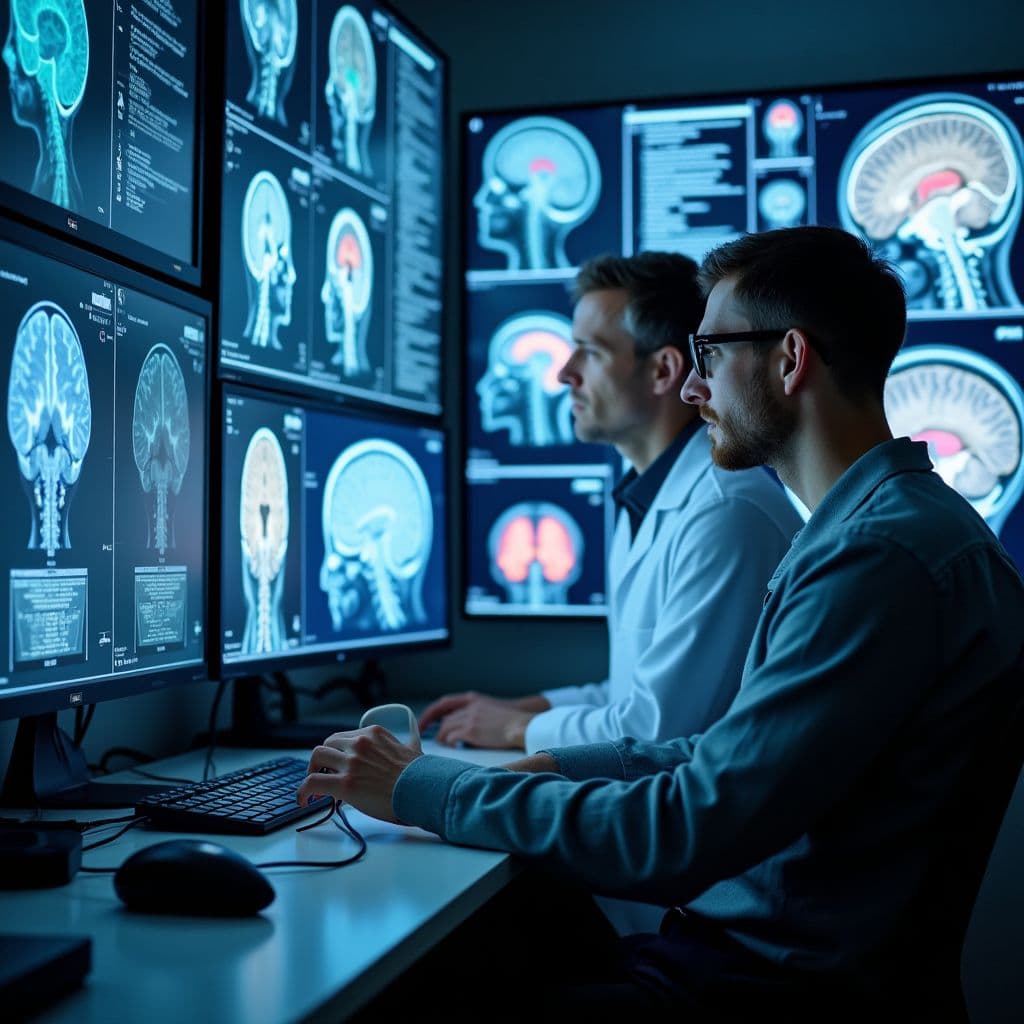
2. Neuroimaging Study (2012)
Research: "Neuroimaging During Trance State: A Contribution to the Study of Dissociation"
Conducted by: Dr. Júlio Peres, Dr. Alexander Moreira-Almeida (UFJF)
Methodology:
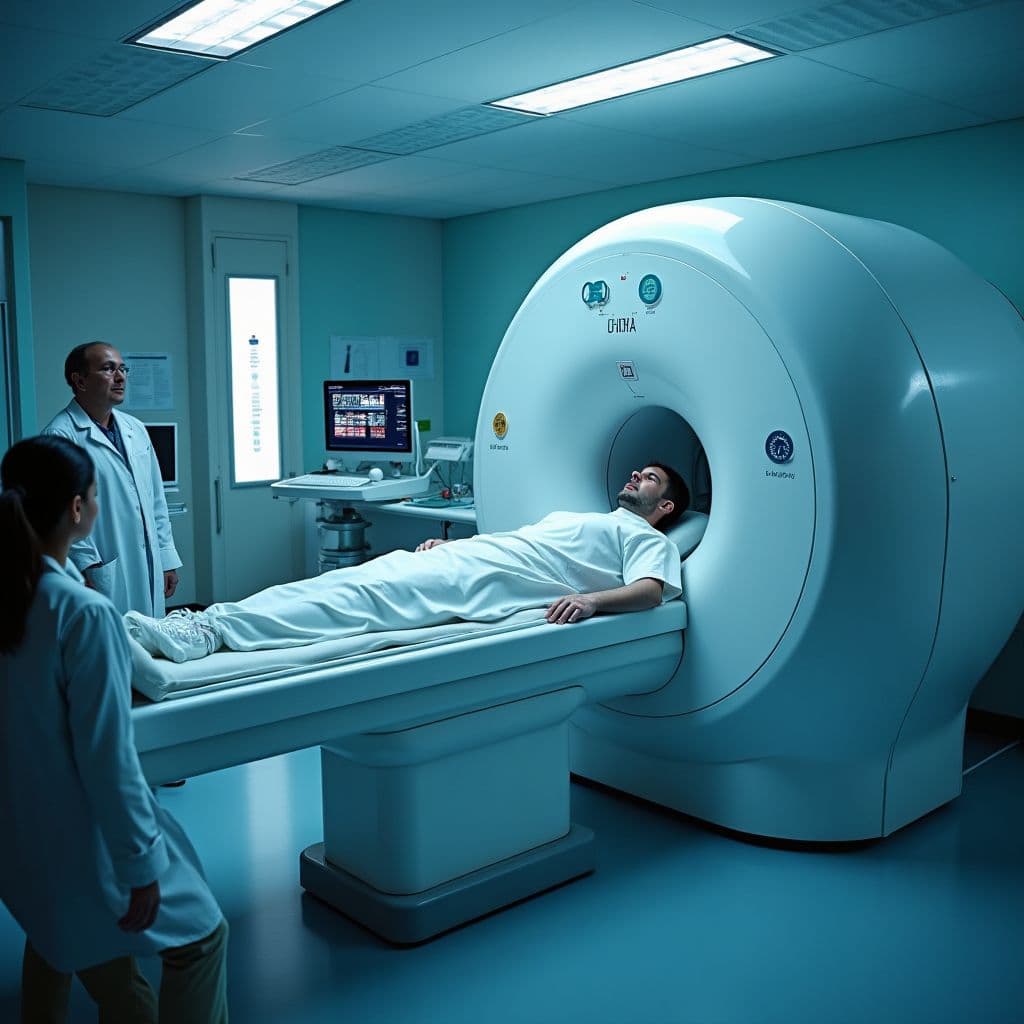
- fMRI scans (functional magnetic resonance imaging)
- Brain analysis during spirit writing
- Comparison between experienced mediums and a control group
- Monitoring of activity in different brain regions
Surprising results:
- During spirit writing, experienced mediums showed a reduction in activity in areas related to language and planning
- The control group (normal writing) showed an increase in those areas
- The mediums wrote faster and with greater complexity when in a trance
- Production of superior texts with lower brain activity
Interpretations:
- Challenges conventional models of text production
- Suggests a genuine altered state of consciousness
- Does not prove a spiritual origin, but demonstrates an unusual phenomenon
Publication: PLOS ONE
3. The UNIFESP Study on Spirit Writing (2019)
Research: Content analysis and informational accuracy
Methodology:
- Analysis of 100 channeled letters
- Verification of factual information
- Interviews with recipients
- Evaluation of psychological impact
Results:
- 73% of the letters contained verifiable and correct information
- High rate of intimate details unknown to the medium
- Significant therapeutic effect on the bereaved
- Reduction of complicated grief symptoms
4. University of Arizona Research (Gary Schwartz)
Study: "The Accuracy and Specificity of Mediums"
Methodology:
- Double-blind tests with multiple mediums
- Verification of specific information
- Rigorous statistical analysis
- Comparison with a control group
Results:
- Mediums demonstrated accuracy significantly above chance
- Specific information correct in 80-90% of the tested cases
- Difficulty explaining it by cold reading or fraud
Scientific Evidence Investigated
1. Graphological Analysis
What is investigated:
- Comparison of channeled handwriting with the deceased's writing
- Unique writing characteristics
- Changes during the mediumistic process
Findings:
- In some cases, notable similarities between the channeled handwriting and that of the deceased
- Sudden changes of style during a session
- Characteristics that differ from the medium's normal writing
Limitations:
- Graphology is not an exact science
- Natural variability of handwriting
- Possibility of unconscious imitation
2. Content Analysis
What is investigated:
- Verifiable information in the messages
- Details unknown to the medium
- Factual accuracy of the communications. Read more about the authenticity of channeled letters
Findings:
- Cases with correct ultra-specific information
- Details that mediums had no way of knowing
- Information confirmed later
Documented examples:
- The location of hidden documents
- Details of private events
- Information about people unknown to the medium
3. Linguistic Studies
What is investigated:
- Complexity of channeled texts
- Comparison with the medium's known ability
- Analysis of vocabulary and style
Findings:
- Texts with complexity greater than the medium's education
- Diverse literary styles in the same medium
- Unknown technical vocabulary
The Chico Xavier Case:
- Education up to the fourth grade
- Channeled works with medical, legal, and scientific vocabulary
- Varied literary styles attributed to different spirits
4. Neuroscience of Mediumship
What is investigated:
- Brain activity during spirit writing
- Altered states of consciousness
- Neural correlates of the mediumistic experience
Findings:
- Atypical brain patterns during a trance
- Reduced activity in planning areas
- Increase in areas related to perception
Meaning:
- Confirms a distinct mental state
- Does not prove a spiritual origin, but demonstrates a real phenomenon
- Challenges conventional explanations
Scientific Explanatory Theories
1. The Survival Hypothesis (Continuity of Consciousness)
Proposal: Consciousness survives physical death
Evidence in favor:
- Accurate information unknown to the medium
- Coherent personality in the communications
- Details verifiable later
Criticisms:
- A known physical mechanism is lacking
- Difficult to test empirically
- Alternative explanations are possible
2. The Super-PSI Hypothesis
Proposal: Mediums access information through clairvoyance/telepathy
Evidence in favor:
- Does not require post-mortem survival
- Consistent with parapsychological research
- PSI abilities demonstrated in the laboratory
Criticisms:
- It would require extraordinary PSI powers
- It does not explain the coherent personality
- Why would it manifest as spiritual communication?
3. The Cryptomnesia Hypothesis
Proposal: Forgotten memories emerge unconsciously
Evidence in favor:
- Memory can store much more than we recall
- Information may come from past exposures
- It does not require paranormal phenomena
Criticisms:
- It does not explain information the medium never had access to
- It does not address personality changes
- Insufficient for cases where verification was impossible beforehand
4. The Creative Unconscious Hypothesis
Proposal: The unconscious mind creates characters and narratives
Evidence in favor:
- The mind is capable of extraordinary creativity
- Dissociative personalities are well known
- It does not require survival
Criticisms:
- It does not explain verifiable unknown information
- Why would it be so accurate in details?
- Limited in explaining well-documented cases
Challenges of Scientific Research
1. Methodological Difficulties
Obstacles:
- A phenomenon that is not reproducible on demand
- Variables that are hard to control
- The impossibility of perfect double-blind experimentation
- Inherent subjectivity
2. Potential Biases
Problems:
- Confirmation bias (seeking only favorable evidence)
- Vague information interpreted as specific
- Selective validation
- The Forer effect (acceptance of generic descriptions)
3. Fraud and Self-Deception
Issues:
- A history of fraud in the field
- Cold reading and mentalist techniques
- Unconscious self-deception
- Difficulty detecting sophisticated fraud
4. Paradigmatic Limitations
Fundamental challenge:
- Materialist science has no tools for consciousness independent of the brain
- Lack of an accepted theoretical model
- Institutional resistance to the topic
- Unresolved philosophical questions
What the Skeptics Say
Main Arguments
1. Cold Reading
- Mediums use techniques to extract information
- Vague statements accepted as accurate
- Observation of the sitter's reactions
2. Public Information
- The medium may have researched in advance
- Social media reveals many details
- Information obtained indirectly
3. The Bereaved's Bias
- People in grief want to believe
- They vaguely interpret what fits
- They forget the misses, remember the hits
4. Statistical Coincidence
- With many attempts, hits do happen
- Notable cases are the exceptions that get remembered
- Misses are forgotten
Counterarguments
Response to skeptics:
- Controlled studies eliminate cold reading
- Ultra-specific information is hard to obtain
- Blind tests prevent cues
- Statistical analysis shows significance
The Scientific Community's Position
Scientists Favorable to Research
They argue:
- The phenomenon deserves serious investigation
- There is sufficient evidence to warrant study
- Science should investigate anomalies
- A possible expansion of knowledge
Examples:
- Dr. Ian Stevenson (University of Virginia)
- Dr. Gary Schwartz (University of Arizona)
- Dr. Alexander Moreira-Almeida (UFJF)
Skeptical Scientists
They argue:
- Insufficient evidence to conclude survival
- Conventional explanations not exhausted
- A risk of pseudoscience
- Lack of a plausible mechanism
The mainstream position:
- The majority of the scientific community remains skeptical
- It accepts the psychological phenomenon, not real communication
- It calls for more robust evidence
Future Research Perspectives
Promising Areas
1. Advanced Neuroscience
- High-resolution brain imaging
- Analysis of neural connectivity
- Biomarkers of altered states
2. Artificial Intelligence
- Analysis of patterns in channeled texts
- Authorship detection via AI
- Comparison of literary styles
3. Quantum Physics
- Models of quantum consciousness
- Theories of non-locality
- Mind-matter interfaces
4. Longitudinal Studies
- Tracking mediums over time
- Systematic documentation of cases
- International databases
Implications of the Research
If the Survival Hypothesis Is Confirmed
Impacts:
- A scientific and philosophical revolution
- Rethinking the nature of consciousness
- Implications for medicine and psychology
- A transformation of views about death
If Conventional Explanations Prevail
Implications:
- A better understanding of mental capabilities
- Insights into memory and creativity
- Understanding of dissociative states
- Therapeutic applications
What We Can Conclude Right Now
Emerging Consensus
✅ A real phenomenon (not purely fraud or imagination) ✅ Measurable altered states of consciousness ✅ Some cases with very accurate information ✅ A significant therapeutic effect ✅ It deserves serious scientific research
Questions Still Open
❓ The real origin of the information (spirits vs. PSI) ❓ The mechanism of operation ❓ Why it works with some and not others ❓ How to distinguish the authentic from self-suggestion ❓ The ultimate nature of consciousness
Science and Spirituality: A Possible Bridge?
An Integrative View
Many researchers propose:
- Science and spirituality are complementary, not opposed
- Both seek truth by different paths
- Dialogue is possible while respecting the limits of each field
- Spirituality can inspire scientific questions
Respect for the Limits
Science:
- Empirical and measurable method
- Reproducibility
- Naturalistic explanations
Spirituality:
- Subjective experience
- Meaning and purpose
- Non-measurable dimensions
Both are valid in their own domains.
Conclusion
The relationship between science and spirit writing remains complex and fascinating. Although there is no scientific consensus on the spiritual origin of the phenomenon, serious research has documented intriguing aspects that challenge conventional explanations.
The studies conducted, especially in Brazil, offer evidence that deserves consideration, even if it is not conclusive. The phenomenon is real in the sense that it produces measurable effects, whether they are of spiritual, parapsychological, or as-yet-unknown psychological origin.
For those who experience spirit writing, the personal experience often transcends the need for scientific validation. For researchers, the mystery continues to invite investigation with an open mind and methodological rigor.
The future may bring greater clarity as science and spirituality continue to dialogue with mutual respect, recognizing that some of humanity's deepest questions may require multiple forms of knowledge to be answered.
Frequently Asked Questions
Does science prove that spirit writing is real? Science documents the phenomenon as real (it produces measurable effects), but there is no consensus on whether the origin of the information is spiritual or due to other mental mechanisms.
Why is mainstream science skeptical? Mainly because of the lack of a known physical mechanism for consciousness independent of the brain, and because of the difficulty of conducting experiments with rigorous controls.
Do scientific studies invalidate faith? No. Science and faith operate in different domains. Research can inform, but it does not replace personal spiritual experience.
Where can I read these studies? Many were published in academic journals such as PLOS ONE and the Journal of Scientific Exploration and are available in databases like PubMed and Google Scholar.
Receive a Message from the Heart
Begin your journey of spiritual reconnection. Request your channeled letter and receive a message of comfort and love from the spiritual plane.
Request My Channeled LetterEditorial context
This content was prepared to guide people researching spirit writing, grief and safety before requesting a letter. When the topic involves spiritual belief, we present the limits clearly: channeled letters do not replace medical, psychological, legal or financial support. See also the page about Channeled Letter.
Keep exploring
On June 30 we remember the 24 years since the passing of Chico Xavier. Revisit the legacy of the channeled letters of consolation and why they still bring peace to those living through grief.
How to Receive a Message from a Departed Loved One: A Guide to Spiritual ConnectionMissing someone who has passed is painful. Discover how to receive a message from a departed loved one, the signs of their presence, and the comforting role of spirit writing.
How Long After Death Can a Spirit Communicate Through Spirit Writing?Discover how long after death a spirit can send a channeled letter. Understand spiritual disturbance, the period of adjustment in the afterlife, and the view of Spiritism.